

Sandwiches are a universal favorite, offering endless combinations of bread, fillings, and toppings. But did you know that all sandwiches,check out Why Is It Called a Sandwich? to explore its fascinating origins.
can be categorized into two main types? Understanding what the two types of sandwiches are can enhance your appreciation of this culinary staple.
In this article, we’ll explore the two primary types of sandwiches, their unique characteristics, and some mouthwatering examples for each. Whether you’re a sandwich enthusiast or just curious, this guide will give you a fresh perspective on a classic meal.
Table of Contents
What Are the Two Types of Sandwiches?
At their core, sandwiches fall into two broad categories: closed sandwiches and open-faced sandwiches. These types define the basic structure of a sandwich, setting the stage for countless variations worldwide.
Closed Sandwiches
Closed sandwiches are the most familiar type, featuring fillings that are completely enclosed between two slices of bread. These are the go-to sandwiches for portability and convenience, making them perfect for on-the-go meals. Examples include the classic club sandwich, grilled cheese, and peanut butter and jelly sandwiches.
Open-Faced Sandwiches
In contrast, open-faced sandwiches consist of a single slice of bread topped with ingredients. They are often more visually appealing and are served with a fork and knife due to their complexity. Examples include bruschetta, smørrebrød (Danish sandwiches), and tartines.
Understanding what the two types of sandwiches are helps in appreciating their versatility and the cultural nuances they represent. From quick lunches to elegant meals, sandwiches continue to evolve while staying rooted in these two fundamental types.
Want to see a quick visual of the two types of sandwiches? Check it out on Pinterest: https://pin.it/1qIOp5lBo.
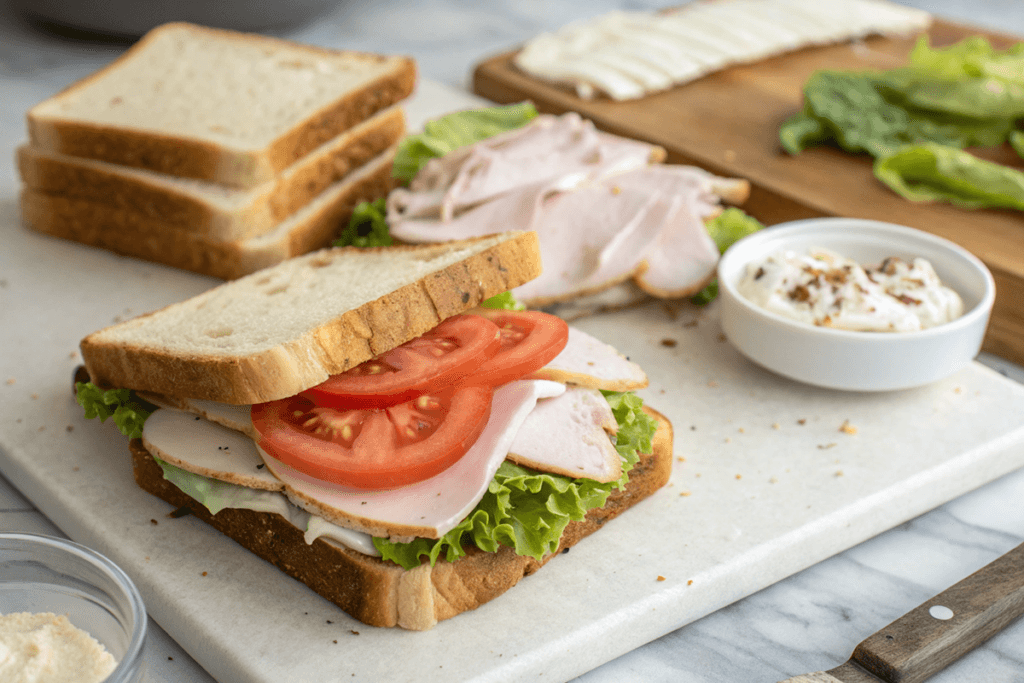
Closed Sandwiches: The Classic Favorite
Closed sandwiches are the most well-known type of sandwich, and they’re likely what comes to mind when you hear the word “sandwich.” These versatile meals feature fillings placed between two slices of bread, creating a portable and convenient food option that has become a staple in cuisines around the world.
Characteristics of Closed Sandwiches
- Structure:
- Fillings are completely enclosed by two slices of bread or other bread-like substitutes (e.g., wraps, bagels, or buns).
- Portability:
- Closed sandwiches are easy to handle and ideal for eating on the go. They’re perfect for lunchboxes, picnics, and busy lifestyles.
- Variety:
- From simple peanut butter and jelly to gourmet creations, closed sandwiches allow for endless combinations of bread types, proteins, vegetables, and spreads.
For a unique low-carb twist on closed sandwiches, try the Wedgie Sandwich, which replaces bread with crisp lettuce for a healthy alternative.
Examples of Closed Sandwiches
- Classic Club Sandwich
- Layers of turkey, bacon, lettuce, and tomato stacked between toasted slices of bread, often secured with toothpicks for easy handling.
- Grilled Cheese Sandwich
- A timeless comfort food featuring melted cheese between two buttery slices of bread, grilled to golden perfection.
- Submarine Sandwich (Sub)
- A long roll filled with meats, cheeses, and veggies, often topped with condiments like mayonnaise or mustard.
- Breakfast Sandwich
- Made with eggs, bacon or sausage, and cheese, typically served on bagels, English muffins, or croissants.
- PB&J (Peanut Butter & Jelly)
- A simple yet beloved sandwich that combines creamy or crunchy peanut butter with fruit jelly or jam.
Want to learn more about specific closed sandwich variations? Discover What Is on Domino’s Chicken Parm Sandwich? for a delicious example.
Why Closed Sandwiches Are Popular
- Convenience:
- Their enclosed structure makes them less messy to eat compared to open-faced sandwiches.
- Portion Control:
- Bread slices define the size of the sandwich, making it easy to prepare single servings.
- Wide Appeal:
- From kids’ school lunches to sophisticated deli options, closed sandwiches cater to all age groups and occasions.
Closed sandwiches have stood the test of time, offering simplicity and variety in every bite. Whether you prefer hearty, healthy, or indulgent options, there’s a closed sandwich for everyone.

Open-Faced Sandwiches: A Stylish Alternative
While closed sandwiches are the most familiar type, open-faced sandwiches offer a unique and elegant twist. These sandwiches consist of a single slice of bread topped with ingredients, making them visually appealing and often more gourmet than their closed counterparts. Open-faced sandwiches are typically enjoyed with a fork and knife, adding a touch of sophistication to any meal.
Characteristics of Open-Faced Sandwiches
- Structure:
- A single slice of bread serves as the base, topped with layers of ingredients.
- The bread is often toasted or grilled for added texture and flavor.
- Presentation:
- Open-faced sandwiches are known for their artistic and colorful presentation. The toppings are often arranged to showcase their freshness and quality.
- Complexity:
- These sandwiches tend to have more intricate flavor profiles, as chefs and home cooks can layer sauces, proteins, vegetables, and garnishes without worrying about portability.
Examples of Open-Faced Sandwiches
- Bruschetta
- Originating from Italy, bruschetta features grilled bread rubbed with garlic, drizzled with olive oil, and topped with diced tomatoes, basil, and mozzarella or Parmesan.
- Smørrebrød (Danish Open Sandwich)
- A Scandinavian classic, smørrebrød typically includes rye bread topped with ingredients like smoked fish, eggs, pickled vegetables, and fresh herbs.
- Tartine
- A French favorite, tartines are elegant open-faced sandwiches often topped with creamy spreads, fresh fruits, nuts, or smoked salmon.
- Avocado Toast
- A modern classic, this open-faced creation features smashed avocado on toast, often garnished with toppings like poached eggs, chili flakes, or microgreens.
- Welsh Rarebit
- A British dish that includes toasted bread topped with a savory cheese sauce, sometimes with mustard or Worcestershire sauce for added depth.
Why Open-Faced Sandwiches Stand Out
- Visual Appeal:
- The open structure allows for creative plating, making them perfect for Instagram-worthy meals.
- Flavors and Textures:
- Without a top layer of bread, the toppings are more prominent, enhancing the overall taste experience.
- Health-Conscious Option:
- With just one slice of bread, open-faced sandwiches can reduce calorie and carb intake while still delivering satisfaction.
Open-faced sandwiches showcase the artistry of food, proving that a sandwich can be both delicious and a work of art. Whether you’re enjoying a casual brunch or hosting a dinner party, these sandwiches are sure to impress.
Comparing Closed and Open Sandwiches
Both closed and open-faced sandwiches offer unique dining experiences, but they differ in structure, convenience, and culinary appeal. Understanding these differences can help you decide which type of sandwich best suits your preferences or the occasion.
Structure
- Closed Sandwiches:
- Comprise two slices of bread with the fillings completely enclosed.
- Ideal for portability and mess-free eating.
- Open-Faced Sandwiches:
- Feature a single slice of bread topped with ingredients.
- Often served as a plated dish and eaten with a fork and knife.
Convenience
- Closed Sandwiches:
- Perfect for on-the-go meals, lunchboxes, and picnics.
- Easy to hold and eat without additional utensils.
- Open-Faced Sandwiches:
- Best enjoyed at home or in restaurants due to their complexity.
- Require a more deliberate eating approach, often involving cutlery.
Visual Appeal
- Closed Sandwiches:
- Focus is on the combination of flavors rather than presentation.
- Often look simple but pack a flavorful punch.
- Open-Faced Sandwiches:
- Highlight the beauty of the ingredients with colorful, artistic arrangements.
- Serve as a centerpiece for brunches or upscale gatherings.
Health and Nutrition
- Closed Sandwiches:
- Tend to have more calories and carbs due to the additional slice of bread.
- Offer more room for hearty fillings, making them a satisfying meal.
- Open-Faced Sandwiches:
- Reduce calorie and carb intake with one slice of bread.
- Allow for lighter, more balanced meals with a focus on fresh toppings.
Versatility
- Closed Sandwiches:
- More versatile for casual and everyday dining.
- Work well with a variety of breads, fillings, and spreads.
- Open-Faced Sandwiches:
- Shine in gourmet or experimental cooking.
- Offer more room for creativity and unique ingredient combinations.
Conclusion of Comparison
Choosing between a closed sandwich and an open-faced sandwich depends on the occasion and your personal preferences. For practicality and convenience, closed sandwiches are the go-to option. However, if you’re looking to impress or indulge in a sophisticated meal, an open-faced sandwich delivers a visually stunning and flavorful experience.
How to Make Each Type of Sandwich at Home
Making both closed and open-faced sandwiches at home is a simple and rewarding process. With a few basic ingredients and some creativity, you can prepare delicious sandwiches that suit your preferences. Here’s how to master each type:
How to Make a Closed Sandwich
- Choose Your Bread:
- Opt for slices of bread that match the style of sandwich you want to create.
- Examples: Whole grain for a healthy option, sourdough for a tangy flavor, or brioche for a rich and soft texture.
- Select Your Fillings:
- Combine proteins, cheeses, and vegetables to suit your taste.
- Popular combinations:
- Club Sandwich: Turkey, bacon, lettuce, and tomato with mayo.
- Grilled Cheese: Your favorite cheese(s) between buttered slices of bread.
- Layer Thoughtfully:
- Place heavy ingredients like meats on the bottom to maintain structure.
- Add spreads evenly to prevent sogginess.
- Toast or Grill (Optional):
- Toast the bread or grill the sandwich for added texture and flavor.
- Serve and Enjoy:
- Cut into halves or quarters for easy eating. Pair with chips, a salad, or a bowl of soup.
How to Make an Open-Faced Sandwich
- Choose the Right Bread:
- Use sturdy bread like sourdough, rye, or baguettes to hold toppings. Toast or grill the bread for extra firmness.
- Spread Your Base:
- Add a layer of flavor using spreads like hummus, butter, cream cheese, or pesto.
- Layer Toppings Artfully:
- Arrange toppings neatly to create a visually appealing presentation.
- Examples:
- Avocado Toast: Smashed avocado, a drizzle of olive oil, chili flakes, and microgreens.
- Bruschetta: Diced tomatoes, fresh basil, mozzarella, and balsamic glaze.
- Finish with Garnishes:
- Add herbs, seeds, or a drizzle of sauce to enhance flavor and presentation.
- Serve on a Plate:
- Open-faced sandwiches are best served with utensils for easy dining. Pair with fresh greens or fruit for a light meal.
Pro Tips for Both Types
- Experiment with Ingredients: Swap meats for roasted vegetables or try exotic spreads like harissa or tzatziki.
- Mind the Balance: Ensure every bite has a good mix of flavors and textures.
- Use Fresh Ingredients: The quality of bread and toppings can make or break your sandwich.
Whether you’re making a quick closed sandwich for lunch or crafting an elegant open-faced creation for a dinner party, these steps will help you master both styles with ease.
Frequently Asked Questions About Sandwiches
What are the two major types of sandwiches?
The two main types of sandwiches are hot sandwiches and cold sandwiches. Cold sandwiches are made with fresh ingredients and served without heating, while hot sandwiches are grilled, toasted, or heated to melt fillings like cheese or meat.
What sandwiches are good for high cholesterol?
Sandwiches that are lower in saturated fat and rich in fiber are better choices for high cholesterol. Options like whole grain bread with lean protein (such as turkey or chicken), combined with vegetables like lettuce, tomatoes, and avocado, can support heart health when eaten in moderation.
What is the best sandwich for diabetics?
The best sandwich for diabetics typically includes low-glycemic ingredients, such as whole grain or high-fiber bread, lean protein, and healthy fats. Avoiding sugary sauces and refined white bread helps maintain more stable blood sugar levels.
What type of sandwiches do we have?
There are many types of sandwiches, including cold sandwiches, hot sandwiches, open-faced sandwiches, wraps, paninis, and grilled sandwiches. Each type varies based on preparation method, ingredients, and serving style.
The Cultural Significance of Sandwiches
Sandwiches are much more than a convenient meal option—they’re a global culinary symbol with deep cultural roots. From their humble beginnings to their modern-day variations, sandwiches have played a significant role in shaping food culture worldwide.
A Universal Favorite
Few foods are as universally recognized as the sandwich. While the basic concept of placing food between bread originated in Europe, nearly every culture has adapted it to include local flavors and traditions.
Examples include:
- Italy: Paninis and bruschetta.
- Mexico: Torta sandwiches.
- Vietnam: Bánh mì, a baguette sandwich filled with pickled vegetables, meats, and spicy sauces.
- India: Bombay sandwich, made with spiced vegetables and chutney.
Each region puts its own spin on the sandwich, making it a canvas for cultural expression and innovation.
A Reflection of Convenience
Sandwiches emerged as a practical solution for busy lifestyles. They offer portability, minimal mess, and versatility, making them ideal for quick meals. Historically, they became a staple for workers who needed an affordable, convenient option to fuel their long days.
Culinary Creativity and Identity
The adaptability of sandwiches has turned them into a culinary art form. From gourmet creations in high-end restaurants to street food staples, sandwiches cater to every budget and occasion.
Some notable examples of creative sandwich adaptations include:
- Smørrebrød (Denmark): Open-faced sandwiches topped with artistic arrangements of meats, fish, and vegetables.
- Dagwood Sandwich (USA): A towering closed sandwich with layers of meats, cheeses, and condiments.
- Croque Monsieur (France): A luxurious grilled sandwich with béchamel sauce and melted cheese.
Cultural Traditions and Social Gatherings
Sandwiches often bring people together, whether as part of a family picnic, a shared meal at a café, or street food enjoyed with friends. In many cultures, they hold sentimental value and are tied to childhood memories or festive celebrations.
A Culinary Icon
Sandwiches are more than just food—they’re a reflection of cultural diversity, culinary innovation, and practicality. From a simple PB&J to a sophisticated tartine, sandwiches continue to evolve, delighting people around the world while preserving their cultural significance.
Final Thoughts on Sandwich Types
Sandwiches are a culinary masterpiece in their simplicity and versatility. Understanding what the two types of sandwiches are—closed sandwiches and open-faced sandwiches—gives you a deeper appreciation of their role in global food culture.
Why Sandwiches Are Timeless
The enduring popularity of sandwiches lies in their ability to adapt to different tastes, diets, and occasions. Whether you’re enjoying a hearty club sandwich, a gourmet tartine, or a cultural classic like the bánh mì, sandwiches offer something for everyone.
Choosing the Right Sandwich for the Occasion
- Closed Sandwiches are perfect for portability and convenience, making them ideal for lunches, picnics, or on-the-go snacks.
- Open-Faced Sandwiches bring sophistication and artistry to the table, making them a great choice for brunches, dinners, or special occasions.
Experiment and Enjoy
One of the best things about sandwiches is their endless customizability. You can create healthier options, indulge in comfort foods, or explore global flavors—all within the framework of a sandwich.
Takeaway
Now that you know the two main types of sandwiches, it’s time to get creative in the kitchen or at your favorite sandwich shop. Whether you prefer the classic structure of a closed sandwich or the elegance of an open-faced one, sandwiches offer a world of flavors waiting to be explored.
From their cultural significance to their universal appeal, sandwiches prove that some of the best meals come in the simplest forms. So go ahead—experiment, savor, and celebrate the magic of sandwiches!