
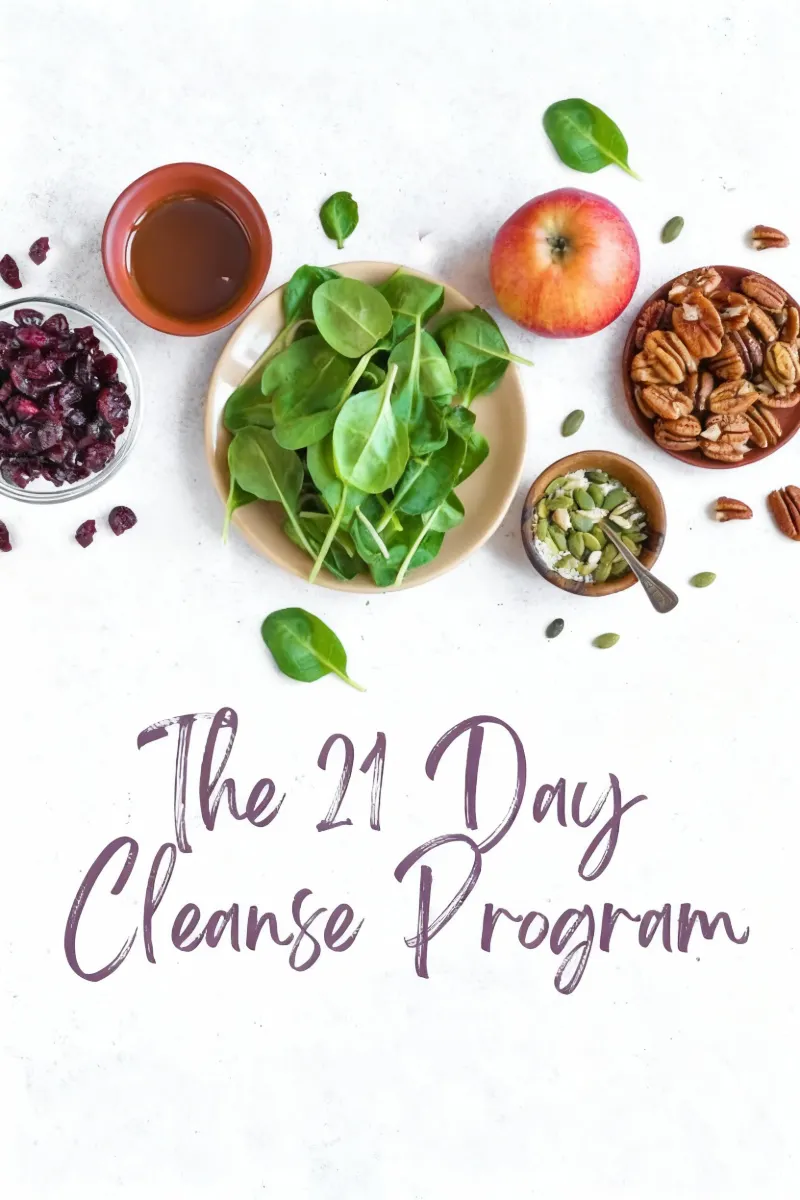
The modern health landscape is saturated with promises of rapid transformation, but few concepts have maintained as much enduring power as the 21 day cleanse program. In an era where digital life moves at breakneck speed, the idea of a three-week pause—a deliberate, structured period of nutritional discipline—resonates deeply with the human desire for a fresh start.
However, to understand why the best 21 day cleanse program of 2026 focuses more on whole-food resets than on extreme deprivation, one must look far beyond the latest social media trends. The history of the “cleanse” is not a modern invention of the supplement industry; it is a storied cultural practice that mirrors our evolving relationship with food, medicine, and the concept of purity.
Table of Contents
The Best 21 Day Cleanse Program: A Deep Dive into the History, Culture, and Science of the Nutritional Reset
A structured 21-day whole-food reset program rooted in history, nutritional science, and practical daily rituals to help you reduce inflammation, improve digestion, and reclaim energy—without extreme fasting or deprivation.
- Prep Time: 10 minutes
- Cook Time: Varies
- Total Time: 21 days
- Yield: 1 program
- Category: Clean Eating
- Method: Whole Food Reset
- Cuisine: Wellness / Functional Nutrition
Ingredients
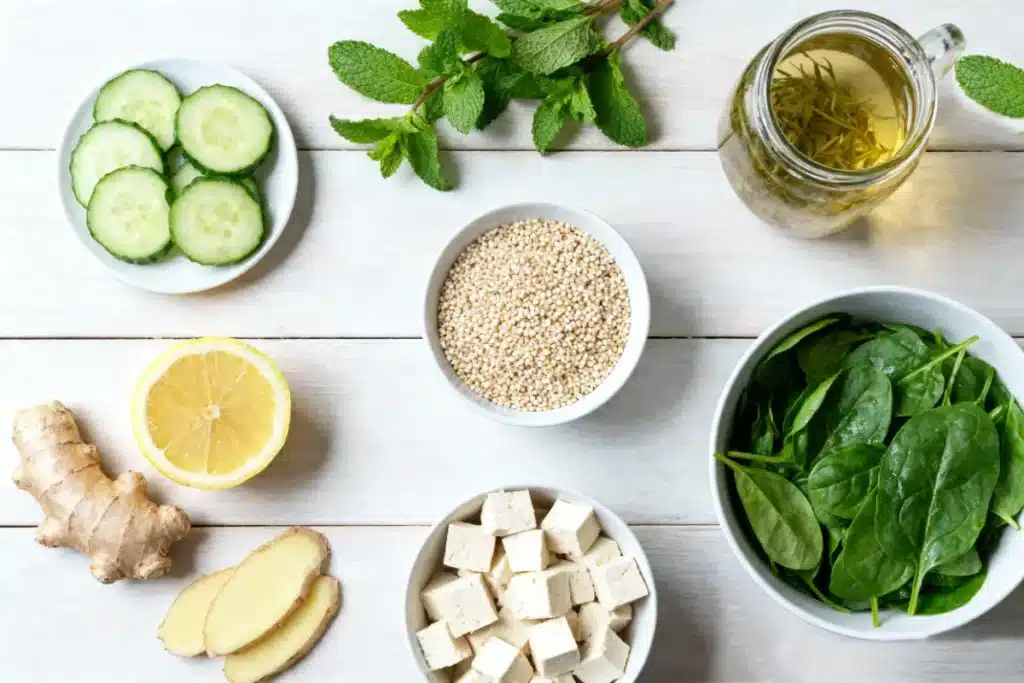
- Plenty of water or unsweetened herbal teas (e.g., mint cucumber, ginger lemon)
- Steamed vegetables and lightly cooked fruits (e.g., baked apples)
- Soft grains like jasmine rice, oatmeal, or quinoa
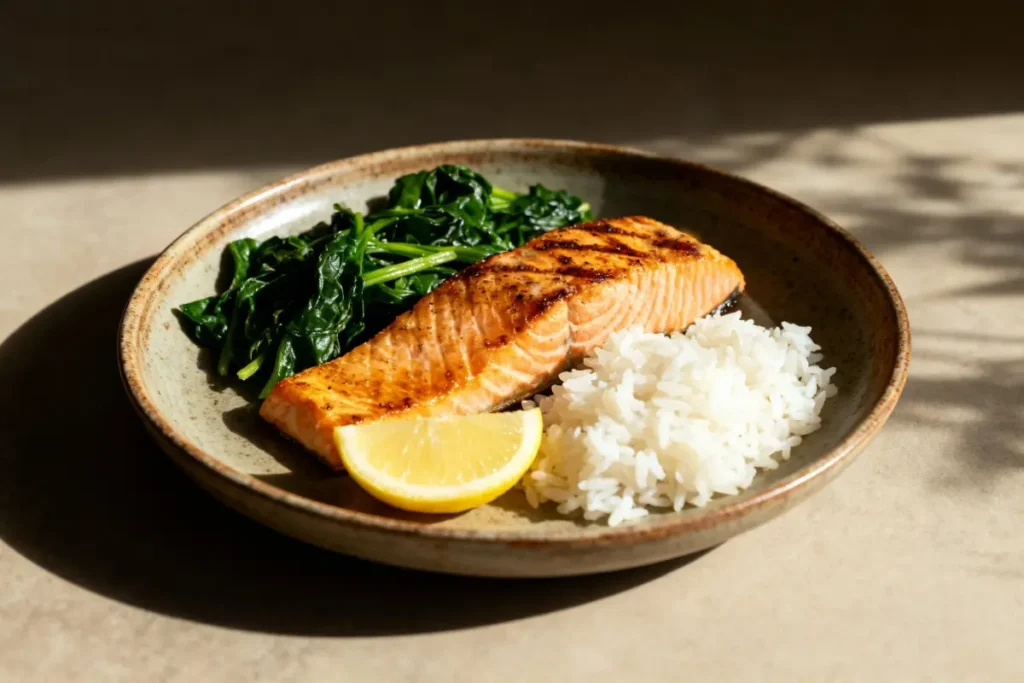
- Lean protein sources: eggs, poultry, fish, tofu, strained yogurt
- Prebiotic-rich foods: napa cabbage, fiber-rich smoothies
- Fermented items like kimchi, kefir, or sauerkraut (optional)
- Herbs and spices: cinnamon, turmeric, ginger, parsley, cilantro
- Mineral support (e.g., pink Himalayan salt or blue salt in water)
- No added sugars, sweetened drinks, fried or ultra-processed foods
Instructions
- Phase One (Days 1–7): Focus on hydration and digestive ease. Start mornings with warm teas (mint, cucumber, ginger-lemon). Consume soft vegetables, baked fruits, and broths. Avoid alcohol, fried foods, and added sugars.
- Phase Two (Days 8–14): Increase protein intake through eggs, fish, poultry, or tofu. Eat small, nutrient-dense meals like cottage cheese banana muffins. Maintain hydration and continue avoiding processed foods.
- Phase Three (Days 15–21): Support gut health with prebiotic vegetables and fermented foods. Expand your plate with diverse grains, herbs, and plant foods. Experiment and note what feels best.
- Keep water or lightly flavored hydration as your base fluid throughout. Consider apple cider vinegar tea or salt-balanced water.
- Use the “5-Ingredient Rule” to avoid foods with long additive-filled ingredient lists.
- Build each meal with the Plate Template: protein + vegetables + a starch (e.g., jasmine rice, potatoes).
- On low appetite days, try smaller high-protein bites like green tea with cinnamon or ground beef-based snacks.
- Mark the end of the cleanse with a whole-food treat such as birria tacos or a green ginger citrus smoothie.
Notes
This 21-day cleanse is not a deprivation diet—it’s a reset. Focus on consistency, not perfection. Designed to fit real-life schedules, it works especially well for those managing stress, low energy, or dietary overwhelm.
Nutrition
- Serving Size: Per day
- Calories: Varies
- Sugar: Low
- Sodium: Low to moderate
- Fat: Moderate healthy fats
- Saturated Fat: Low
- Unsaturated Fat: High
- Trans Fat: 0g
- Carbohydrates: Moderate complex carbs
- Fiber: High
- Protein: High
- Cholesterol: Depends on protein source
The Historical Roots of Structured Eating
The historical lineage of the 21 day cleanse program stretches back much further than most contemporary consumers realize. While we now view these programs through the lens of metabolic health and caloric density, early versions appeared in European spa culture throughout the nineteenth and early twentieth centuries. In famous sanatoriums and water-cure clinics across Germany, Switzerland, and Austria, physicians prescribed time-limited regimens designed to “purify” the body through controlled diets, mineral waters, and walks in fresh air.
These programs framed food as both burden and remedy. Patients who had spent months consuming the rich, heavy diets of the industrializing upper class were sent to these retreats to consume light broths, simple vegetable preparations, and herbal infusions. The “cure” was as much about the environment—fresh mountain air and disciplined daily routines—as it was about the calories. While the specific number of days varied, the concept of a defined three-week period took hold as a manageable cultural unit of time. Twenty-one days was long enough to break old habits and see visible changes in skin and vitality, yet short enough to remain psychologically attainable for the patient.
In the United States, the modern 21 day cleanse program grew out of several overlapping influences. Religious traditions of fasting, the rise of the “Natural Hygiene” movement, and later, the development of functional medicine protocols all contributed to the concept. By the late twentieth century, what was once a physician-led spa ritual had been democratized into popular commercial products. These were often built around shakes or specific supplements, promising a clear timeline for change. However, as nutritional science matured, the focus began to pivot back toward the “food-based reset”—a method that uses the inherent properties of whole ingredients to support the body’s natural processes rather than relying on extreme fasting or single-nutrient approaches.
What People Really Mean When They Search for a “21 Day Cleanse Program”
In the current digital age, when a user types “21 day cleanse program” into a search engine, the underlying intent is rarely just about a number on a scale. It is often a plea for a simplification of life. In a food environment where more than half of the American dietary intake consists of ultra-processed products, many people feel a sense of biological overwhelm. They seek relief from chronic bloating, persistent fatigue, and the “brain fog” that characterizes a diet high in additives and refined sugars.
Large observational studies have now firmly linked the high intake of ultra-processed foods to elevated risks of cardiovascular disease, metabolic problems, and mental health issues. This scientific backdrop has pushed nutrition professionals to redefine the best 21 day cleanse program as a structured break from the industrial food complex. Instead of “flushing toxins”—a term that lacks medical precision—the modern reset focuses on lowering the body’s exposure to food additives while supporting the gut microbiome and energy levels through balanced, nutrient-dense meals. This change in mindset suits a contemporary audience that requires justalittlebite healthy foods and practical eating habits rather than extreme regimens that interfere with work, caregiving, and social responsibilities.
The Science of the Reset: Protein, PRAL, and Digestion
A realistic and safe 21 day cleanse program respects the laws of physiology. One of the most significant shifts in 2026 is the emphasis on “protein-first” nutrition. Historically, many cleanses were synonymous with low-protein juice fasts, which often led to muscle loss and a subsequent drop in metabolic rate. Today, the most effective programs prioritize high-protein density. Protein is essential for satiety and the preservation of lean muscle mass, especially when the body is navigating a shift in calorie quality.
Furthermore, these programs often utilize sophisticated tools like the Potential Renal Acid Load (PRAL). PRAL estimates the acid or base load that foods produce after digestion based on their mineral content. High PRAL foods, such as processed meats and refined grains, are more acid-forming. Conversely, negative PRAL foods, primarily fruits and vegetables rich in potassium and magnesium, are base-forming. While the body maintains a strict blood pH, a lower overall PRAL diet can be gentler on the kidneys and support general “alkalizing” goals. By balancing high-quality animal or plant proteins with negative PRAL vegetables, a 21-day reset creates a nutritional harmony that promotes long-term health.
Celebrity “Reset Rituals”: Real-World Proof of the 21-Day Shift
While the history of structured eating dates back to 19th-century sanatoriums, modern interest in the best 21-day cleanse program is often fueled by the high-profile transformations of Hollywood’s elite. For the average reader, these celebrities serve as “proof of concept,” showing that a three-week commitment can lead to visible vitality and major metabolic shifts. Rather than just following “fads,” these stars use the 21-day window to break the cycle of biological overwhelm and reclaim their health.
- Kelly Clarkson: Managing Inflammation Over Weight One of the most discussed health journeys in recent years is that of Kelly Clarkson. Rather than a traditional “diet,” Clarkson adopted a system designed to eliminate hidden inflammatory triggers. Her 21-day reset was less about counting calories and more about the quality of her fuel. By choosing justalittlebite healthy foods and focusing on whole, unprocessed ingredients, she reported significant improvements in her overall energy and autoimmune health. Her success popularized the idea that a cleanse should be a “biological pause” that allows the body to recalibrate.
- Adele: The Power of Sirtuin-Rich Foods When Adele shared her transformation, the spotlight fell on “Sirtfoods.” This system focuses on specific plant chemicals that may support the body’s natural fat-burning and aging processes. The initial phase of this program is a rigorous week involving green juices and polyphenol-rich meals, followed by two weeks of maintenance. This structure mimics the “soothing and hydration” phase of our recommended reset. For those looking to follow this trend, incorporating antioxidant-rich drinks like green tea with cinnamon or a turmeric detox tea can provide similar metabolic support.
- Beyoncé: The 22-Day Revolution Beyoncé made waves with her “22-Day Revolution,” a plant-based challenge she used to prepare for major performances. The philosophy is simple: it takes 21 days to break a habit and the 22nd day to start a new life. By removing sugar, dairy, and processed carbs for three weeks, she demonstrated how a short-term, intense focus on nutrient density—such as fiber-rich napa cabbage or protein-packed air fryer shrimp and broccoli—can fundamentally change one’s palate and energy levels.
The takeaway from these celebrity experiences isn’t the need for a private chef, but the effectiveness of a defined timeline. Whether it is Adele’s metabolic focus or Beyoncé’s habit-breaking ritual, the best 21-day cleanse program works because it provides a structured “exit ramp” from the standard diet of ultra-processed foods. By using these three weeks to experiment with recipes like apple cider vinegar tea or a cucumber mint belly buster, readers can achieve a professional-level reset through sustainable, real-world habits.
Phase One: Digestion and Hydration (Days 1–7)
The first week of a well-structured 21 day cleanse program is traditionally dedicated to soothing the digestive tract. This phase draws heavily from the sanatorium logic of the past, emphasizing hydration and easily digestible fibers. Historically, many spa diets started with broths, herbal infusions, and light vegetable preparations. That logic remains useful. Warm liquids in the morning help rehydrate the body after sleep and support regular elimination.
Modern programs may suggest warm mint and cucumber tea or ginger lemon tea before breakfast as a daily ritual to support digestion. During these first seven days, the plate is populated by “gentle” foods: steamed vegetables, lightly cooked fruits like baked apples, and soft grains. The aim is to calm the digestive tract, reduce intake of irritants such as alcohol and fried foods, and establish a steady rhythm of meals.
Phase Two: Rebuilding with Nutrient Density (Days 8–14)
In the second week, the focus changes from soothing to rebuilding. This is where modern programs diverge from the restrictive fasts of the past. Historical “purification” diets did not always protect muscle tissue or energy levels, but modern variants target metabolic health more precisely. Protein becomes central. A well-structured 21 day cleanse program introduces or increases lean protein options in this second week. Poultry, fish, eggs, tofu, and strained yogurt show up more often.
The goal is high-protein density without heavy portions, which helps maintain strength while still feeling lighter after meals. For people with low appetite, small but concentrated snacks work better than large plates. Items such as cottage cheese banana bread or cottage cheese banana muffins give amino acids and minerals in a small volume. This approach ensures that the body receives the building blocks it needs for tissue repair and hormonal balance without causing digestive distress, suiting older adults, those recovering from illness, or anyone whose hunger fluctuates.
Phase Three: Microbiome Support and Habit Building (Days 15–21)
The final week of the best 21 day cleanse program is dedicated to the gut microbiome—the diverse community of bacteria that resides in the digestive tract. Recent research attention on gut bacteria has influenced many cleanse-style programs, pushing them toward prebiotic fibers, polyphenol-rich plant foods, and fermented items. Prebiotic ingredients contain fibers that serve as fuel for beneficial gut microbes.
During this week, incorporating nutrient-dense vegetables like napa cabbage or fiber-rich simple smoothies can support the transition to a long-term sustainable diet. By this final week, the aim is to widen the variety of plants eaten, not to shrink the diet further. People experiment with different grains, vegetables, and herbs, then notice which combinations feel best. This diversity is the hallmark of a successful reset, as it encourages the development of a resilient and healthy internal ecosystem that can be maintained long after the 21 days are over.
Hydration as a Pillar of Metabolic Health
Throughout all three weeks, hydration keeps its place as a core pillar. In many standard American diets, sugary beverages contribute a large portion of daily calories and are a primary driver of insulin resistance. Replacing soda, energy drinks, and sweetened coffee with water or unsweetened apple cider vinegar tea yields a meaningful drop in added sugar intake.
This shift does more than just lower calories; it significantly affects both blood sugar control and dental health. It aligns with the “trick” of using minerals to support hydration, such as the Himalayan pink salt trick or the blue salt trick, which some use to balance electrolytes. The plan does not require perfect purity. It encourages a daily pattern where plain or lightly flavored water forms the base of fluid intake. This aligns with the historical spa tradition where mineral waters were considered the “medicine” that allowed the body to reset its regulatory systems.
The Cultural Significance of the Ritual
The enduring significance of a 21 day cleanse program lies in its ritual aspects as much as its content. Human societies have long used defined periods of structured behavior to mark transitions. New year, early spring, or the start of fall often inspire these resets. In many traditions, periods of structured eating accompany religious calendars, seasonal shifts, or life milestones. Modern secular cleanses serve similar psychological functions.
They create a sense of fresh start, provide a narrative for behavior change, and offer social connection when done in groups or online communities. In a world where food choices are often dictated by convenience and marketing, a 21-day program represents a deliberate act of reclaiming the kitchen and the plate. This ritualization of eating helps individuals move past the decision fatigue of daily life and re-establish a sense of agency over their biological well-being.
SEO and the Information-Hungry Reader
In the current digital environment, SEO patterns reveal what people expect from these programs. Queries such as “best 21 day cleanse program” often cluster around terms like weight loss, detox, and quick results. Yet long-form reader behavior shows strong interest in content that explains mechanisms and offers realistic menus. Users scroll longer when articles describe how ultra-processed foods relate to cravings or how PRAL influences food choices, compared with vague promises of toxin removal.
Articles that include historical notes and cross-cultural practices also tend to hold attention because they contextualize the cleanse rather than present it as a temporary fix without background. Informative content that avoids the “miracle cure” trap tends to have higher retention rates. Readers appreciate a neutral, non-medical tone that highlights clean eating as a lifestyle adjustment rather than a temporary emergency. By providing deep informational value, a site establishes itself as a trusted partner in the reader’s wellness journey.
Practical Implementation for the US Audience
For a US audience, safe communication about cleanses needs a neutral, non-medical tone. Extreme claims about curing disease risk harm and violate platform guidelines. A better approach explains what food-based resets do support: improvements in dietary quality, reduction in added sugars and refined fats, more regular hydration, and better awareness of hunger and fullness. Clinical studies on 21-day programs often report modest weight loss and favorable shifts in cholesterol or triglycerides when participants follow energy-restricted, whole-food protocols under supervision.
In practical terms, a gentle cleanse highlights clean eating and suggests concrete, actionable steps:
- The 5-Ingredient Rule: Set a 21-day rule to avoid foods with ingredient lists longer than five items to drastically reduce additive exposure.
- Protein-First Breakfasts: Replace sugary pastries with eggs or yogurt-based options to stabilize energy levels from the start of the day.
- The Plate Template: Build lunch and dinner around a simple template of protein, a large portion of vegetables, and a starch such as jasmine rice or potatoes.
Navigating Appetite and Low-Hunger Days
The best 21 day cleanse program for today’s reader also engages with appetite challenges. Many people report low appetite during stressful periods or when digestive issues flare. A balanced reset should accommodate that reality. Instead of requiring large salads or heavy bowls, it suggests “tiny bite” strategies with nutrient-dense options. Items like green tea with cinnamon can be soothing, while small servings of ground beef recipes provide high density with low volume.
This keeps intake adequate for vitamins, minerals, and protein without forcing volume. This flexibility is vital for older adults, those recovering from illness, or individuals with busy, high-stress schedules. It allows the individual to meet their nutritional requirements without the psychological stress of “failing” a rigid program, ensuring that the 21-day period remains a positive, constructive experience.
Building Site Authority through Navigation
From an SEO view, internal linking to recipe archives and related content supports both usability and site structure. A well-built cleanse article invites readers to browse a sitemap of recipes to find suitable breakfast bowls, light soups, or simple protein dishes that fit the framework of their 21 days. For instance, linking out to a structured 21-day clean eating meal plan can help readers plan their own menu mix while reinforcing site authority in search engines. This provides a gateway to many recipes without overwhelming the main article, allowing for a personalized approach to the cleanse.
FAQs: the 21 day cleanse program
What is the 21 day flush?
The “21 day flush” is a common term used in nutrition marketing to describe a three-week period of dietary restriction aimed at reducing water retention and digestive sluggishness. Unlike medical procedures, a nutritional flush usually focuses on high-fiber vegetables, increased water intake, and the elimination of inflammatory triggers like refined sugar and alcohol. When following the best 21-day cleanse program, the goal is to support the body’s natural filtration systems—the liver and kidneys—by providing them with the micronutrients they need to function optimally.
What not to eat on a 21 day sugar detox?
During a 21-day sugar detox, the primary goal is to stabilize blood glucose levels by removing all sources of added sweeteners. This includes obvious culprits like soda, candy, and pastries, but also hidden sugars found in condiments (like ketchup or barbecue sauce), sweetened yogurts, and many packaged breads. Most programs also suggest avoiding high-glycemic processed starches. Instead, focus on savory, nutrient-dense options like eggs with chorizo and jalapenos for breakfast, which provide protein and fat to keep cravings at bay without the need for sugar.
How to detox your body in 20 days?
To reset your body in a roughly 20-day timeframe, consistency is more important than intensity. Start by prioritizing hydration with unsweetened beverages like turmeric detox tea and ensuring every meal contains a high-quality protein source. Removing ultra-processed foods (anything with a long, chemical-heavy ingredient list) allows your digestive system to rest. Incorporating “alkalizing” snacks, such as a cucumber mint belly buster, can help manage hunger while providing essential minerals.
Do you lose weight on the 21 day sugar detox?
Many participants do experience weight loss during a 21-day sugar detox, though the results vary based on individual metabolism and starting habits. The weight loss is typically a combination of reduced calorie intake and a decrease in systemic inflammation, which often leads to the shedding of excess water weight. By replacing empty sugar calories with filling options like cottage cheese banana muffins, you maintain a higher metabolic rate through protein-induced satiety, making the weight loss feel more sustainable than a traditional crash diet.
Conclusion: A Grounded Relationship with Food
In the end, a 21 day cleanse program is not about achieving perfection; it is about recalibrating your relationship with food. Food historians see these programs as part of a long continuum of controlled eating rituals in human societies. The specifics have changed—powdered supplements and digital trackers belong to this era—but the underlying desire for structure around food remains stable. A food-based 21-day reset that respects nutritional science, cultural patterns, and realistic constraints meets that need without promoting extreme behavior.
At the end of the three weeks, success is measured not just by physical markers like reduced bloating or improved sleep, but by the habits that remain. Readers note less bloating after meals, fewer afternoon energy crashes, or improved sleep onset. They might feel better in clothing, notice reduced cravings for soda or candy, or experience more regular bowel movements.
These outcomes are consistent with reduced ultra-processed food intake and improved fiber and fluid consumption. They do not require a medical label, yet they carry practical meaning in everyday life. For anyone considering such a plan, the most important step is aligning it with existing health status and exploring a diverse range of whole-food recipes—from savory birria tacos for a post-cleanse treat to daily green ginger citrus smoothies—to ensure long-term success.
Want a visual guide to the foods and steps used in this phase? Check out our 21 Day Cleanse Pin on Pinterest for inspiration and ingredient ideas you can save.
Want a deeper look at the A-List secrets? Check out our exclusive deep dive on Medium: The Science of the “Red Carpet Reset”: Why 21 Days Is the Magic Number for Health.