
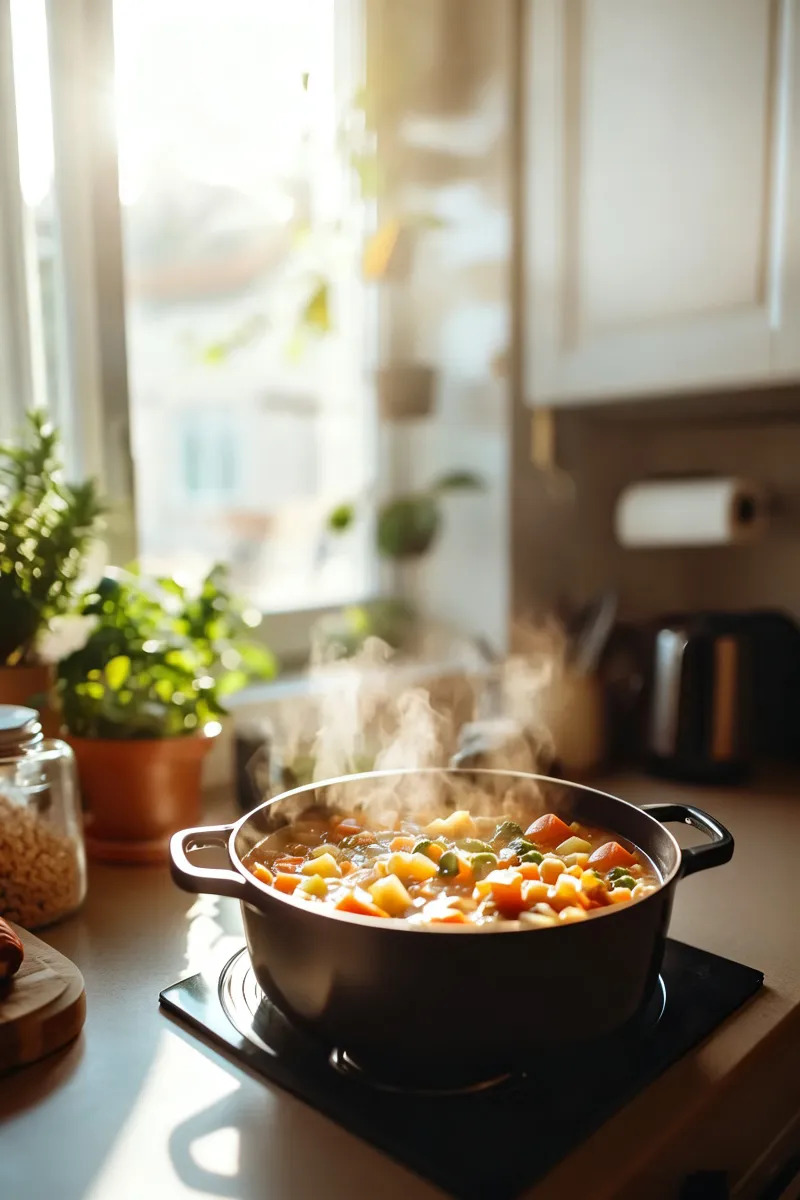
Americans are often described as being “full of soup”—not just in the literal sense, but in the way our kitchens, memories, and moods are steeped in it. From a quick fix on a sick day to a ceremonial course at a dinner party, soup carries a weight beyond broth. This article explores how the phrase “full of soup” captures cultural, emotional, and culinary truths. It traces the expression’s roots, surveys regional dishes, and explains why soup still sits proudly on American tables. Whether you’re ladling out matzo ball or gumbo, you’re participating in something more than a meal, something durable, warm, and deeply American
Table of Contents
Full of Soup: A Delicious Look at America’s Love for Comfort in a Bowl

Exploring how soup in American culture represents comfort, tradition, and emotional connection—being ‘full of soup’ is more than a meal; it’s a way of feeling at home.
- Prep Time: 15 minutes
- Cook Time: 45 minutes
- Total Time: 1 hour
- Yield: 6 servings 1x
- Category: Comfort Food
- Method: Stovetop
- Cuisine: American
Ingredients
- 1 pot of chicken noodle soup (or preferred soup)
- Assorted vegetables (carrots, onions, garlic, celery)
- Broth (chicken, beef, or vegetable)
- Protein (chicken, beef, tofu, beans)
- Starch (noodles, rice, or potatoes)
- Herbs (thyme, bay leaf, parsley)
- Salt and pepper to taste
- Optional: chorizo, sourdough bread, bok choy, jammy eggs
Instructions
- Chop vegetables and prepare your choice of protein and starch.
- In a large pot, heat oil and sauté onions and garlic until translucent.
- Add chopped vegetables and herbs; cook for 5-7 minutes.
- Pour in the broth and bring to a boil.
- Add protein and simmer until cooked through.
- Stir in starch (noodles, rice, or potatoes) and cook until tender.
- Season with salt and pepper to taste.
- Serve hot, optionally with bread or garnishes like fresh herbs or eggs.
- Feel the warmth, comfort, and emotional nourishment—become ‘full of soup.’
Notes
Soup is deeply rooted in American culture, reflecting heritage, healing, and home. Customize the base, add-ins, and seasoning to match your region or tradition.
Nutrition
- Serving Size: 1 bowl
- Calories: 220
- Sugar: 4g
- Sodium: 650mg
- Fat: 10g
- Saturated Fat: 3g
- Unsaturated Fat: 6g
- Trans Fat: 0g
- Carbohydrates: 18g
- Fiber: 2g
- Protein: 14g
- Cholesterol: 35mg
Why We’re Always Full of Soup
A Memory in a Bowl: How Soup Became Everyday Food
It’s mid-January, and a pot of chicken noodle soup simmers on the stove. The scent is familiar, onions just past translucent, garlic, and steam. For many of us, this isn’t just cooking. It’s a ritual we’ve witnessed in childhood, repeated through flu seasons and family dinners. “Full of soup” could mean you’ve eaten well. But it also means you’ve participated in something simple and sustaining.
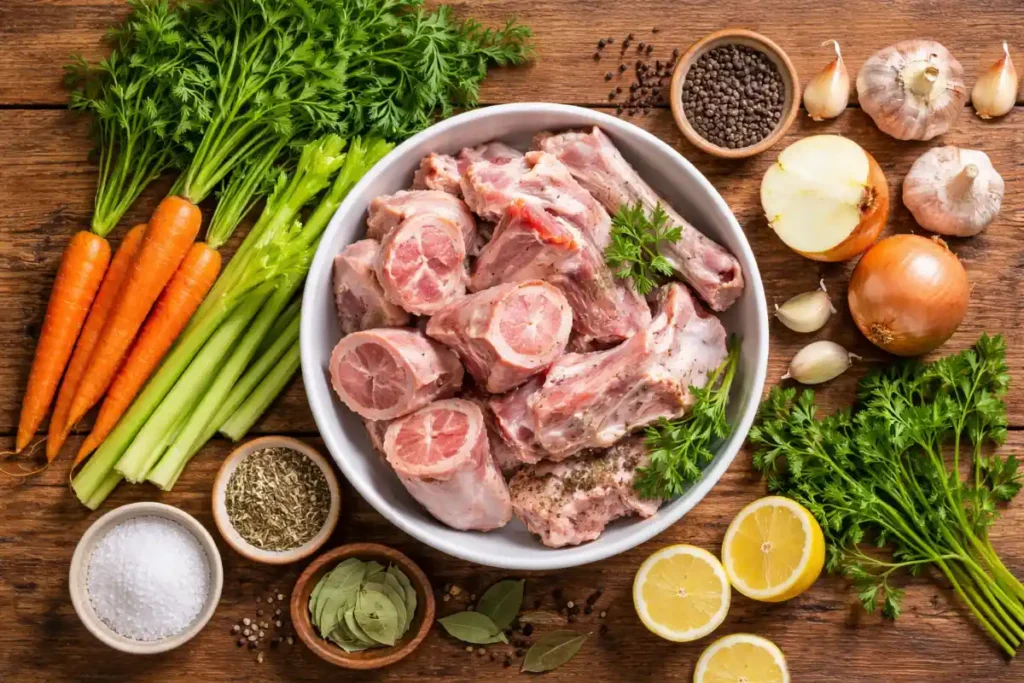
In immigrant kitchens, soup was often the first course to stretch limited ingredients. A few bones, scraps of vegetables, and time were enough to make a broth that fed a whole family. It was frugal, filling, and forgiving, long before those became buzzwords in home cooking.
Even today, dishes like potato soup remain popular because they do what good food should: nourish without much fuss. It’s no coincidence that modern eaters continue to favor recipes that mimic the economy and comfort of old.
Soup as Culture: What “Full of Soup” Really Means Across Kitchens
To be “full of soup” isn’t only about fullness, it’s about familiarity. In Chinese households, a clear winter melon broth might precede rice. In Haitian families, Sunday soup joumou is tradition and triumph. In the American South, being full of soup might mean savoring leftover ham bone with greens.
The phrase acts like a bridge between cultures, where soup is always a sign of something generous, handmade, and cared for. Even beef and green bean casseroles borrow cues from soup logic, layered, slow-cooked, humble.
And when you’re done eating, if someone asks how you’re feeling, “full of soup” becomes shorthand for “I’m okay.”
The Meaning Behind the Phrase “Full of Soup”
From Slang to Spoon: Origins of the Expression
Language is food in its own right. The phrase “full of soup” has shown up in different dialects across the U.S., particularly in the early 20th century, sometimes as slang. It could mean drunk, comforted, or content. Like a good broth, the meaning changed depending on how long it sat.
By mid-century, it began appearing in cookbooks and local columns as a folksy way to say someone had eaten well. Not stuffed. Not bloated. But comfortably fed.
In some rural American slang, it even became a way to describe a kid with a bit of mischief, “full of soup and stories,” as one old-timer put it. That blend of food and personality stuck.
The Emotional Fullness: Soup’s Role in Healing and Home
Soup doesn’t require chewing, explanation, or utensils with rules. That makes it a natural balm during illness, sorrow, or transition. It’s also why so many American family remedies are soup-based.
There’s sourdough cinnamon bread to serve beside tomato soup, and there’s chicken pot pie when you need more than just broth. Recipes evolve, but their purpose stays constant: comfort.
During the 2020 pandemic, searches for “homemade soup” rose sharply, reflecting a return to slow food and the emotional reliability it offers. In hard times, being “full of soup” is not just good, it’s necessary.
Bowls That Feed the Soul in Every State
Regional Favorites: From Clam Chowder to Pozole
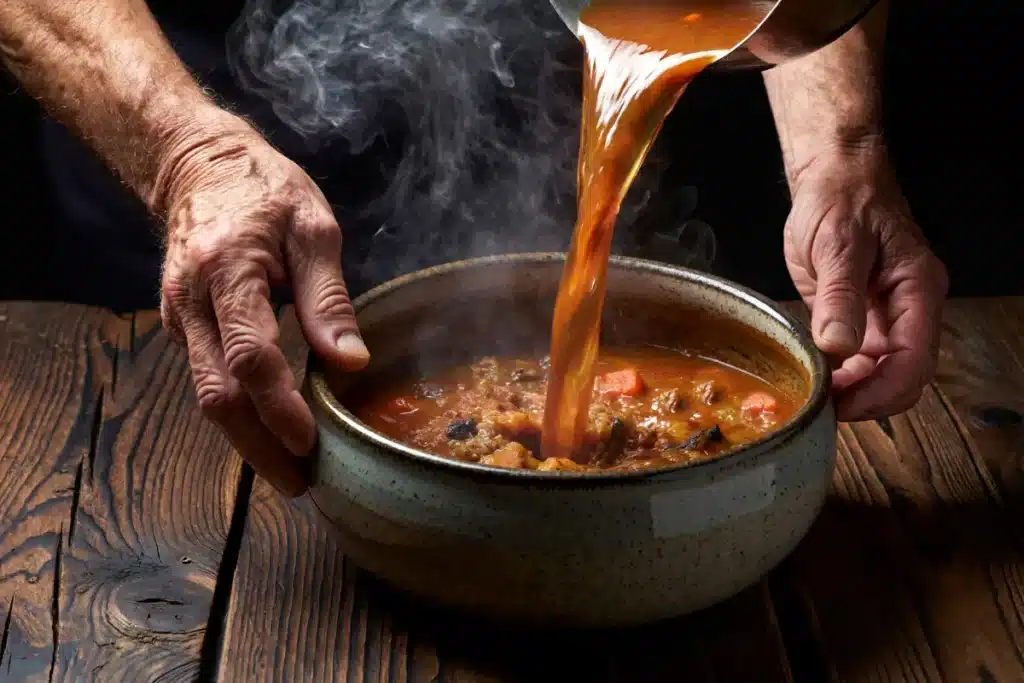
America’s soups are as diverse as its people. In New England, clam chowder is thick, creamy, and proud. In the Southwest, pozole is red, spicy, and served in huge batches for gatherings. Louisiana offers gumbo, rich with roux and lore.
The Midwest may lean into prime rib recipes or meat-based stews, while the Pacific Northwest favors salmon chowders. The common thread? Each reflects what grows or lives nearby—soup, after all, is a portrait of place.
If you’re unsure what soup defines your region, look no further than your grocery’s canned aisle or church cookbooks. The recurring themes tell you everything.
Soup Trends: Convenience Meets Tradition
Despite its rustic past, soup hasn’t stayed still. Today’s eaters want quick options, but still rooted in authenticity. That’s why instant ramen gets upgraded with bok choy and jammy eggs, and why bone broth now comes bottled but still borrows from soup bone traditions.
Brands may simplify soup, but home cooks are reclaiming its richness. Ingredients like spirulina show up in breakfast smoothies and sometimes even green broths. Add-ins are changing, but the pot remains a central vessel in the American kitchen.
Being full of soup now means embracing old ways in new kitchens.
Soup’s Place on the Everyday American Table
Why Soup Is Still a Go-To Meal for All Ages
Kids learn to eat soup. Seniors return to soup when chewing is hard. Busy parents rely on soup when everything else takes too long.
That makes soup intergenerational, a rare trait in modern meals. From toddler mush to nursing home trays, it persists. And unlike some dietary fads, soup is flexible: low-carb, vegan, and high-protein are all possible with a few swaps.
Some households use soup as a meal starter; others make it the main event. In either case, it shows up again and again. Chuck eye steak might feed one night. But that bone? It makes soup next.
How “Full of Soup” Reflects Our Evolving Eating Habits
As wellness trends grow, so does interest in soup’s lighter forms: miso, broth bowls, and detox blends. You’ll find recipes like the 21-day clean eating meal plan filled with soups that promise health and flavor.
Still, we return to classics. Being “full of soup” means more than health, it’s about ritual, reliability, and roots. It means something fed you in every sense of the word.
Soup reflects not just what we eat, but how we want to feel: grounded, full, and connected.
📌 See the viral image that inspired it all:
Full of Soup Cat on Pinterest

Bonus Bite: The “Full of Soup Cat” Phenomenon
Every so often, food culture bumps into internet culture, and something strange and delightful happens. One such moment? The rise of the “Full of Soup Cat.” If you’ve seen a cat sitting suspiciously next to a bowl of soup, eyes narrowed as if questioning your life choices, congratulations, you’ve met the meme.
While its origins are fuzzy (like the cat), the phrase “full of soup cat” has popped up on Reddit threads, Tumblr posts, and cooking comment sections, usually accompanied by cats who look… contemplative. The implication? The cat either is full of soup, wants to be full of soup, or judges you for being full of soup.
Why It Matters (Sort Of)
Humor aside, the meme taps into a real sentiment: soup is a moment. It’s what we eat when we slow down, feel under the weather, or just want something warm and simple. That sleepy cat, posted beside a bowl, unintentionally mirrors how we feel after a good serving—content, quiet, maybe even curled up for a nap.
Soup Cats in Your Kitchen
While we don’t recommend feeding your cat soup (onions and garlic are a no-go for pets), you might find them lingering in the kitchen more often when a batch is on the stove. Soup smells like love. Cats know this.
So the next time you sit down with a steaming bowl and your tabby jumps on the table, don’t scold. Just nod and say, “I know, you’re full of soup too.”
FAQs About Being Full of Soup
1. What does “full of soup” mean in everyday language?
The phrase typically means someone has eaten well, comfortably full from a warm, satisfying meal. In older American slang, it sometimes implied someone was energetic or even mischievous. Today, it mostly reflects a sense of contentment and being nourished.
2. Is soup really a full meal?
Absolutely. While often served as a starter, soup can be a complete meal when made with hearty ingredients like beans, meats, grains, or vegetables. Classic dishes like minestrone, gumbo, or beef stew easily satisfy as stand-alone meals, especially when paired with something like sourdough cinnamon bread.
3. Why is soup considered comfort food?
Soup’s warmth, texture, and aromas trigger familiar feelings and often connect to childhood or home. It’s easy to digest, adaptable, and associated with care, whether served by a parent or made during illness. These qualities make it a deeply comforting dish.
4. Are there health benefits to eating soup regularly?
Yes. Soup can be rich in nutrients, low in calories, and hydrating, especially brothy or vegetable-based types. It’s also a great way to incorporate more vegetables and whole grains into your diet. Many detox programs, like the 21-day cleanse, include soup for these reasons.
5. What are the most popular soups in the U.S.?
Some perennial favorites include chicken noodle, tomato, clam chowder, French onion, and chili (technically a stew, but often eaten like soup). Regional variations reflect local ingredients and histories, such as gumbo in Louisiana or corn chowder in the Midwest.
6. How can I store and reheat leftover soup?
Most soups store well in airtight containers in the fridge for up to five days. For longer storage, freeze in portion-sized containers. Reheat gently on the stove or microwave, stirring occasionally. Always taste and adjust seasoning after reh
Conclusion
To be “full of soup” is to be filled with more than food. It’s to be part of a tradition that stretches across cultures, generations, and states. Whether it’s a quick broth after a long day or a stew that simmers for hours, soup continues to carry meaning in American homes. It feeds us when we’re sick, when we’re busy, when we’re celebrating, or when we just need to feel okay. And in that sense, the phrase says it all.
“Read the full essay on Medium → Full of Soup Cat: When the Internet Meme Gets a Taste of Real Food Culture”