
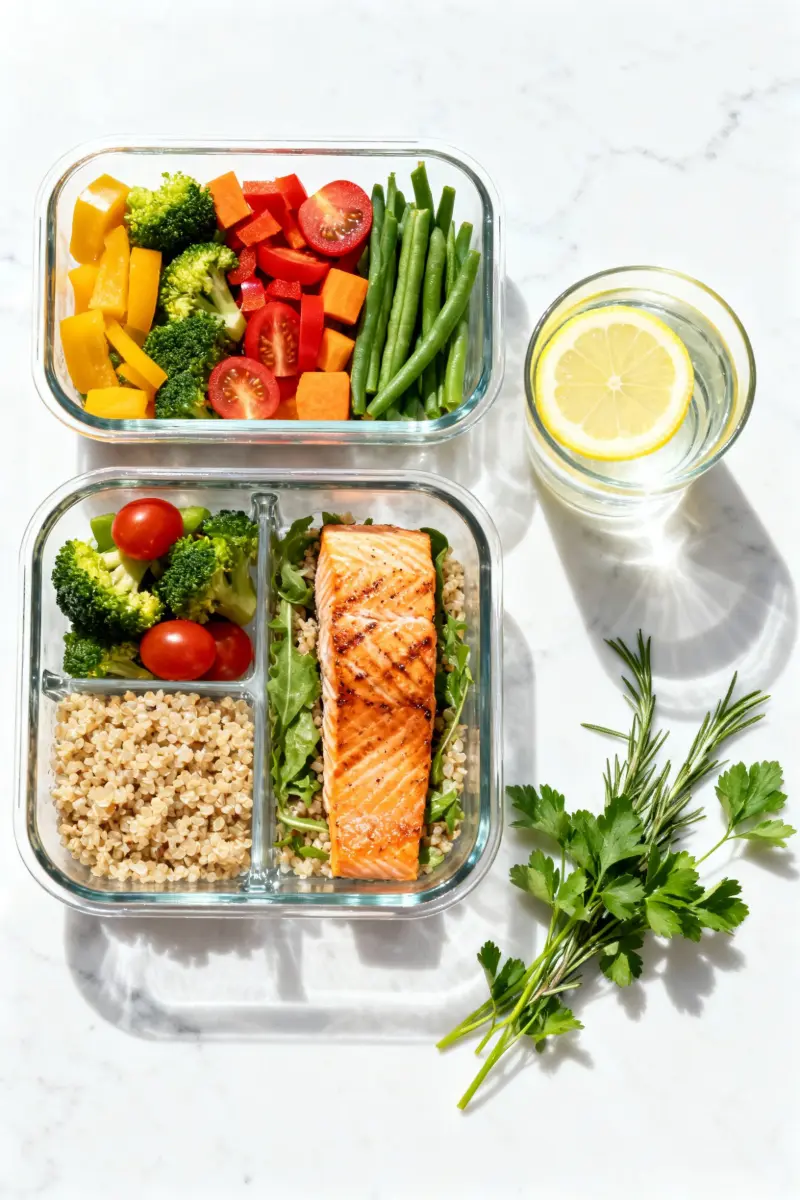
Food resets are having a moment. People aren’t chasing extremes anymore—they’re looking for ways to eat simply, feel more in tune with their food, and make lasting changes. The 21-day clean eating meal plan isn’t about detoxing. It’s about focusing on real food, routine, and being consistent. In 2026, that’s what smart eating looks like. This plan is built around meals that are easy to prep, full of whole foods, and satisfying even during low-appetite phases. Here’s what to expect in each stage
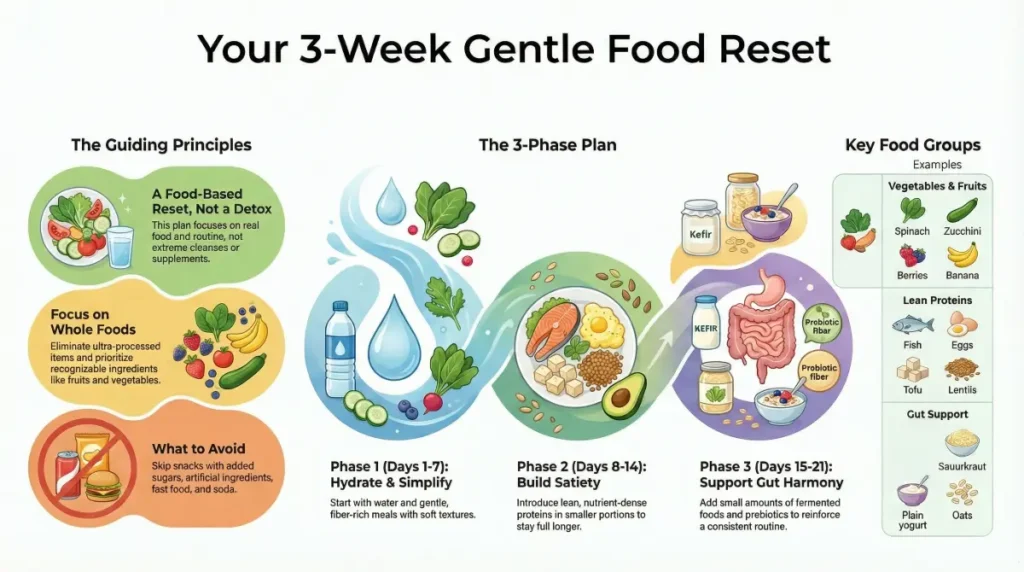
Table of Contents
21-Day Clean Eating Meal Plan: A Gentle Food-Based Reset for 2026
A practical 21-day clean eating meal plan focused on whole foods, digestion support, and meal structure—not extreme detoxes or supplements.
- Prep Time: 15 minutes
- Cook Time: 15 minutes
- Total Time: 30 minutes
- Yield: 7-day rotation x 3
- Category: Meal Plan
- Method: No-Cook + Cooked
- Cuisine: Balanced Whole Food
Ingredients
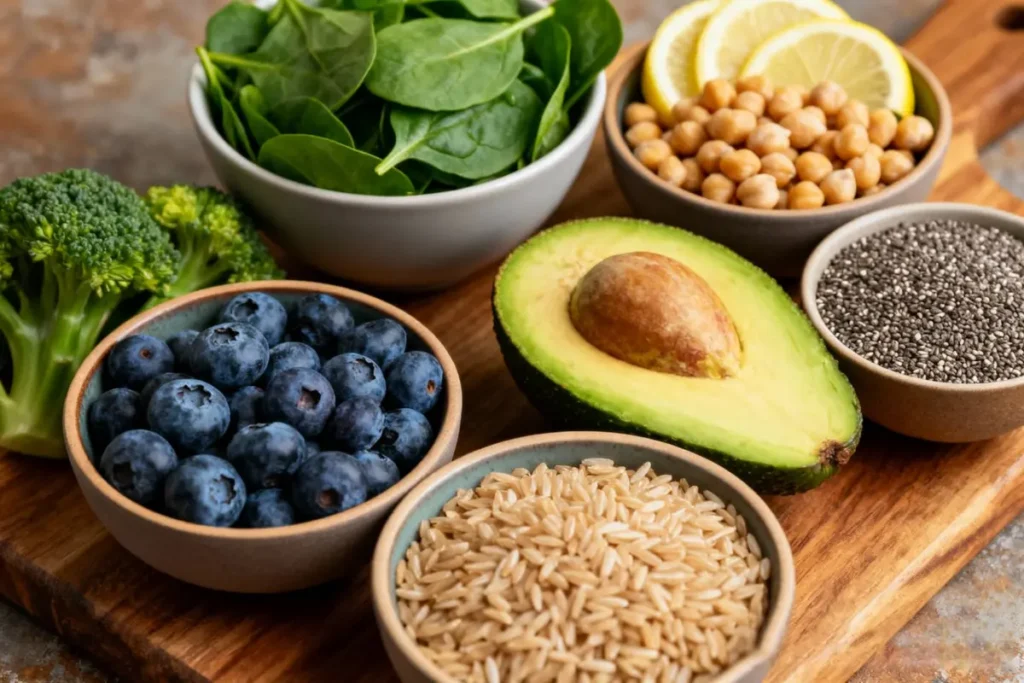
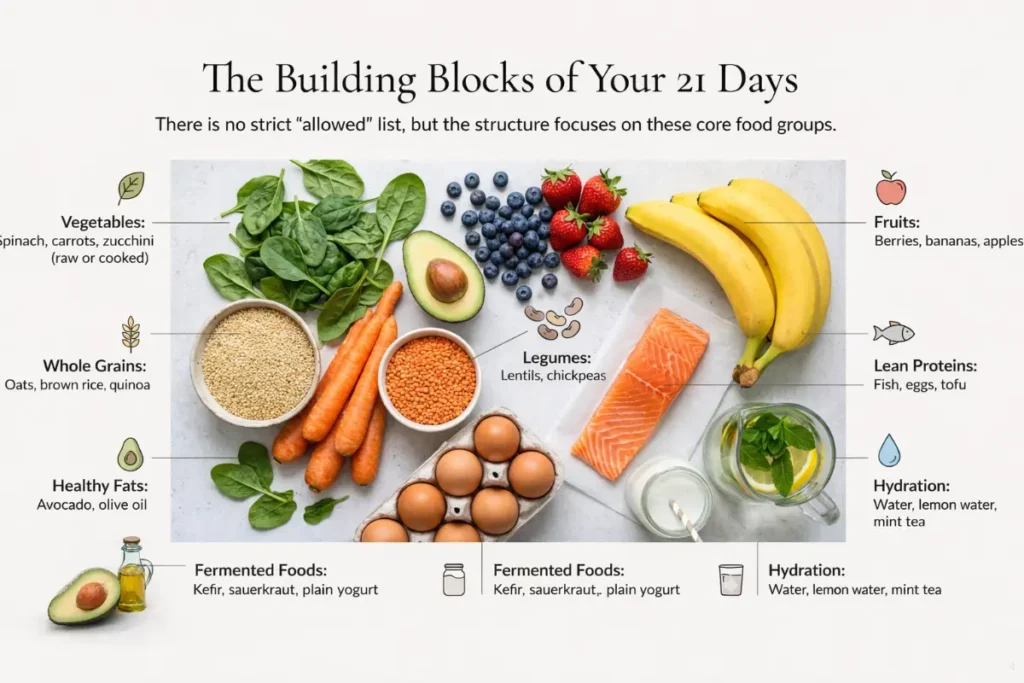
Vegetables (spinach, carrots, zucchini)
Fruits (berries, bananas, apples)
Whole grains (oats, brown rice, quinoa)
Legumes (lentils, chickpeas)
Lean proteins (fish, eggs, tofu)
Healthy fats (avocado, olive oil)
Fermented foods (kefir, sauerkraut, plain yogurt)
Hydration (water, lemon water, mint tea)
Instructions
1. Start with 7 days of hydration and gentle meals using fiber-rich vegetables and soft textures.
2. Introduce protein-forward meals with high satiety and small portions from day 8–14.
3. Add fermented and prebiotic foods for gut support between day 15–21.
4. Maintain regular meals and skip all ultra-processed products.
5. Drink water and herbal tea consistently.
6. Avoid snacks with added sugars or artificial ingredients.
7. Use herbs and natural seasoning like lemon, garlic, and olive oil.
Notes
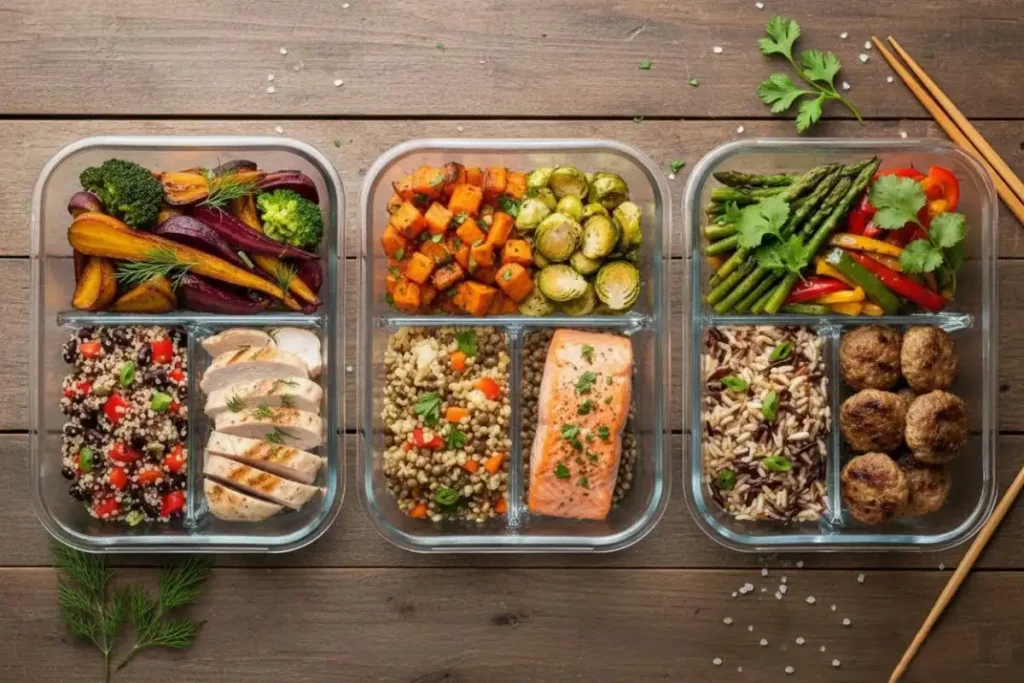
Use glass containers for meal prep.
Batch cook proteins to save time.
Add herbs for flavor instead of sauces.
Stay consistent with water intake.
Nutrition
- Serving Size: 1 meal
- Calories: 350
- Sugar: 6g
- Sodium: 320mg
- Fat: 14g
- Saturated Fat: 2g
- Unsaturated Fat: 10g
- Trans Fat: 0g
- Carbohydrates: 34g
- Fiber: 8g
- Protein: 20g
- Cholesterol: 45mg
Why People Search for a “21-Day Cleanse Meal Plan”
What Are People Really Looking For?
Many people search for a 21 day cleanse meal plan when what they really want is a simple, food-based structure that helps them eat better without extremes. It’s not about drinking juice or skipping meals. Most are looking to reset their habits and simplify their choices.
The Popularity of 21-Day Formats
Three weeks is a manageable timeframe. It’s long enough to notice changes in energy, digestion, and routine—but short enough to commit to without feeling stuck. People use it to build structure around eating, especially after holidays, stressful seasons, or appetite fluctuations. It’s a pattern-breaker, not a punishment.
What a Safe 21-Day Food-Based Reset Actually Looks Like
Focus on Whole Foods, Not Trends
A true food-based reset eliminates ultra-processed foods and brings in ingredients your body recognizes. That includes vegetables, fruits, whole grains, beans, eggs, fish, and lean meats. No meal replacements, powders, or promises. Real food is the focus. Meals stay simple—like baked fish with roasted vegetables or a warm cottage cheese banana muffin with tea for breakfast.
The PRAL Tool (Not a pH Myth)
Instead of detox myths, this plan uses the PRAL score (Potential Renal Acid Load). It measures the acid or base potential of foods. Low-PRAL foods like leafy greens and cucumbers support balance through food—not through pseudoscience. It’s a practical, non-medical way to think about food balance.
You might start your day with something light like a mint and cucumber tea or swap a snack with sliced avocado and apple.
Phase 1 (Days 1–7): Hydration, Fiber, and Digestive Simplicity
Start with Water and Gentle Meals
Hydration matters. Most people are walking around slightly dehydrated, which affects digestion, energy, and hunger signals. Begin each day with warm water or a mild herbal tea, such as lemon or turmeric. Meals should be high in water-rich foods like zucchini, spinach, and berries. For digestive comfort, try artichoke tea in the afternoon—it’s light and soothing.
Breakfasts: oatmeal with chia, or plain yogurt with banana
Lunches: veggie soups or lightly grilled fish with greens
Dinners: steamed or roasted root vegetables with lentils or rice
Go Light but Regular
Avoid skipping meals. Structure helps your digestion normalize. You might feel less hungry, but you still need nutrients. Soft textures are helpful—baked sweet potatoes, mashed lentils, or poached eggs. This isn’t about cutting calories. It’s about making meals that your gut doesn’t need to fight.
Internal link naturally placed: Those experiencing occasional discomfort after rich dishes often turn to artichoke tea or fiber-rich vegetables to ease the process.
Phase 2 (Days 8–14): High-Protein Density Without Heavy Portions
Protein Without the Bulk
By week two, your digestion has likely adjusted. Now it’s time to focus on meals that deliver protein first, but in smaller, nutrient-packed portions. This helps maintain muscle while supporting satiety, especially if you’re in a lower appetite phase. Instead of giant servings, aim for smart pairings: boiled eggs with greens, cottage cheese with seeds, or chicken with steamed vegetables.
A small slice of this cottage cheese banana bread pairs well with Greek yogurt or nut butter. These combos feel light but keep you full longer.
Build Satiety With Smart Choices
Focus on foods that feel “clean” but still satisfy. Think baked tofu, grilled shrimp, or soft-boiled eggs. Add prebiotic-rich sides like asparagus or garlic-sautéed greens. Keep seasoning simple—olive oil, herbs, and lemon juice go a long way. You can even add a spoon of smoked cream cheese to cooked lentils or roasted cauliflower for richness without heaviness.
Mid-day ideas include:
- A spinach and tuna wrap
- A scoop of lentil salad with olive oil and dill
- Cottage cheese and sliced fruit with sunflower seeds
This phase is about balance. You’re not overloading. You’re building up.
Phase 3 (Days 15–21): Long-Term Gut Harmony Through Real Foods
Keep It Familiar, Add Prebiotics and Ferments
By now, your meals should feel routine. You’re not deciding what to eat every hour—you’ve built a system. Phase three introduces gut-friendly foods that support digestion in a sustainable, non-disruptive way. Add small amounts of familiar fermented foods like sauerkraut, kefir, or plain yogurt. Include natural prebiotics from garlic, leeks, oats, and bananas.
This isn’t a time for extremes. Focus on foods your body already recognizes. For example, adding canned artichoke hearts to a grain bowl or salad is an easy way to add fiber and flavor without starting from scratch.
Gut Routine Over Gut Reset
Avoid novelty for the sake of novelty. Now is the time to reinforce consistency with foods that regulate digestion. This is also the right moment to add raw produce again if you had scaled it back. Think grated carrots, thin-sliced cucumbers, or a crisp apple between meals. Keep spicy or acidic foods low if you’re prone to reflux.
Daily rhythm might include:
- Morning: warm oats + kefir
- Lunch: quinoa salad + artichoke hearts + lemon olive oil dressing
- Dinner: grilled protein + baked squash + sauerkraut
Small portions of fermented foods work better than loading a plate with new ingredients. Think daily consistency, not one-time magic.
What to Expect After 21 Days of Clean Eating
Digestive Lightness and Routine
After completing your 21-day clean eating meal plan, you’ll notice not just what’s on your plate—but how your body responds to a more consistent routine. Meals feel easier. Digestion feels lighter. You may experience more regularity, less bloating, and a clear sense of how different foods affect your body. It’s not about weight—it’s about rhythm.
This isn’t a transformation story. It’s a stability story. When you replace ultra-processed foods with real ones, your body responds with calm, not chaos. You may notice that a small shrimp wrap with a side of greens satisfies you more than fast food ever did.
Sharper Food Awareness
Eating simply for three weeks builds awareness. You’re more likely to ask: “Am I hungry or bored?” You’ll notice when you’re thirsty, not hungry. You’re more likely to prepare a reheat-friendly stuffed quesadilla than to scroll for takeout.
This awareness doesn’t end on day 21. It strengthens with repetition. You might start batch-cooking on Sundays, packing vegetables with lunch, or drinking water before snacks. It becomes part of your life—not a challenge to finish.
What you gain isn’t a number. It’s a reliable structure you can return to again and again.
Who This Type of Reset Is For (and Who It’s Not)
Built for Simplicity Seekers, Not Medical Protocols
This 21-day clean eating meal plan is for people who want to eat better without drama. It’s food-first. It’s realistic. It works well for those who feel overwhelmed by food choices, are tired of ultra-processed snacks, or are in a season of low appetite and want structure. It’s also ideal for anyone easing into home cooking again with basics like chicken pot pie casserole or shrimp and broccoli in the air fryer.
This plan supports:
- People trying to build habits, not rules
- Those recovering from chaotic eating cycles
- Anyone who wants real food and better digestion
- People managing low energy or unpredictable hunger
It’s not for those with:
- Medical conditions that require tailored diets
- Therapeutic eating plans like low FODMAP or ketogenic
- Goals that involve weight loss tracking, macros, or meal replacements
- Anyone replacing professional treatment with food
Whole Food over Hype
This reset isn’t built on supplements, powders, or aggressive tactics. No fat-burning promises. Instead, you’ll focus on balanced meals using ingredients like langostino lobster tails or ceviche de camaron when you’re ready to experiment with variety. On simpler days, you might blend a green ginger citrus smoothie or sip apple cider vinegar tea.
This is for real life. For Monday night meals. For anyone who wants a system, not a script.
FAQs: 21 day cleanse meal plan
How can I detox my body for 21 days?
The safest way is through food, not products. Focus on whole ingredients like vegetables, fruits, lean proteins, legumes, and fermented foods. Remove ultra-processed snacks, added sugars, and artificial ingredients. A simple daily rhythm using familiar meals like pistachio cream on oats or roasted fish with greens supports natural digestion. Your body already has natural systems in place. Your role is simply to avoid overloading them
What is the 21-day flush?
The term “flush” often refers to extreme cleanses or liquid diets, which can be unsafe or unsustainable. A better approach is a 21-day clean eating plan that removes irritants and emphasizes hydration, fiber, and real meals. Think of a baked sweet potato with greens and olive oil, not a “flush” drink. If you want natural support, options like turmeric mango tea or mint cucumber water can support hydration without forcing results. they hydrate without forcing results.
What foods are allowed on the 21-day reset?
There’s no strict “allowed list,” but the structure focuses on:
Vegetables (raw or cooked)
Fruits (especially low-sugar options)
Legumes (lentils, chickpeas)
Whole grains (quinoa, oats, brown rice)
Lean proteins (eggs, fish, tofu)
Fermented foods (sauerkraut, kefir, plain yogurt)
Healthy fats (olive oil, avocado)
You’ll skip soda, fast food, pastries, and processed meats. A quick lunch might be a quesadilla rellena filled with beans and greens, not cheese-heavy or fried.
How to detox your body in 20 days?
Don’t. Focus on supporting your body instead. True “detoxing” comes from stopping habits that overload your system. That means staying hydrated, eating fiber-rich meals, sleeping enough, and staying consistent. Cook meals at home, use ingredients like fishcakes and scallops or rainbow trout for easy protein, and eat slowly. It’s not about one drink or rule—it’s about the bigger picture.
Conclusion
Clean eating isn’t about perfection. It’s about building a steady, food-based rhythm that helps you feel better, think clearly, and eat without second-guessing. This 21-day clean eating meal plan gives you structure, not stress. It’s a way to reset gently—by removing what doesn’t serve you and reinforcing what does.
When the 21 days end, keep the parts that work. Maybe that’s a warm breakfast you prep in advance. Maybe it’s cooking more fish at home like this easy air fryer shrimp and broccoli or saving a slice of banana bread with cottage cheese for snack time. Use it to build a repeatable system, not a deadline.
You don’t need to “start over” again. You can keep going—with food that feels right.
This article is for informational purposes only and is not intended as medical advice. Always consult a healthcare professional before making major dietary changes.
For a deeper look at how food-based routines have replaced extreme detox culture, read The 21-Day Food Reset: Why Clean Eating Replaced Extreme Detoxes on AdoraRecipes.
Explore a visual overview of this reset on Pinterest for meal ideas, structure tips, and clean eating inspiration.