
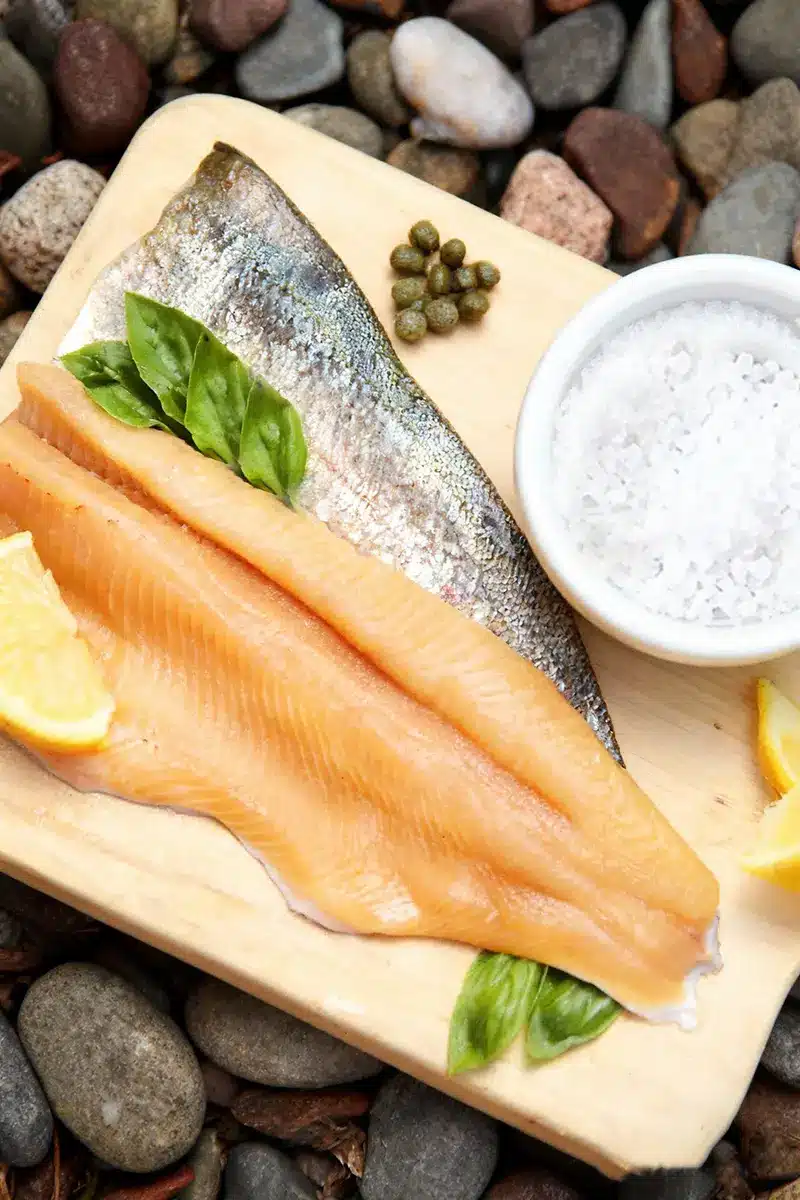
Rainbow trout taste has delighted chefs and home cooks alike for generations, thanks to its mild flavor and adaptability in the kitchen. First introduced to aquaculture in the late 19th century in California, rainbow trout quickly became a popular and sustainable freshwater fish option across North America and Europe. Today, its widespread availability and delicate profile make it a go-to choice for those seeking a clean, nutty, and subtly sweet seafood experience.
Whether you’re pan-searing fillets for a weeknight dinner or baking a whole trout for a rustic feast, this fish’s flavor rewards simplicity. In this guide, you’ll learn exactly what rainbow trout tastes like, how it compares to other fish, and how to cook it to highlight its natural charm.
Table of Contents
Rainbow Trout Taste & Recipe

This lemon-herb rainbow trout recipe brings out the fish’s natural sweetness and delicate flavor. Perfect for weeknight meals or elegant dinners.
- Prep Time: 5 mins
- Cook Time: 10 mins
- Total Time: 15 mins
- Yield: 2 servings 1x
- Category: Seafood
- Method: Pan-seared
- Cuisine: American
Ingredients
2 rainbow trout fillets (skin-on)
1 lemon, sliced
2 tbsp olive oil or butter
1 tbsp fresh dill or thyme
Salt and pepper to taste
Instructions
1. Pat trout fillets dry and season with salt and pepper.
2. Heat olive oil or butter in a skillet over medium-high heat.
3. Place trout skin side down and sear for 3–4 minutes.
4. Flip and cook another 2–3 minutes until cooked through.
5. Top with lemon slices and fresh herbs before serving.
Notes
You can substitute butter for olive oil based on taste preference.
Serve with roasted vegetables or a light salad.
Crispy skin adds extra texture and flavor.
Nutrition
- Serving Size: 1 fillet
- Calories: 220
- Sugar: 0g
- Sodium: 70mg
- Fat: 14g
- Saturated Fat: 3g
- Unsaturated Fat: 10g
- Trans Fat: 0g
- Carbohydrates: 1g
- Fiber: 0g
- Protein: 22g
- Cholesterol: 60mg
The Flavor Profile: What Does Rainbow Trout Taste Like?
When describing rainbow trout taste, the first thing to note is its balance: mild, nutty, and slightly sweet, with a clean finish that reflects the pure waters it comes from. Historically, rainbow trout (or Oncorhynchus mykiss) originated from the cold rivers and lakes of the Pacific coast of North America, particularly in California and the Rocky Mountain regions. Early settlers and Indigenous peoples both valued it not only for its abundance but also for its delicate, approachable flavor that required minimal seasoning.
Compared to other fish, rainbow trout taste falls beautifully in the middle of the flavor spectrum. It’s less oily and rich than salmon, making it appealing to those who prefer a lighter seafood experience, yet slightly more flavorful than tilapia or flounder, giving it enough depth to stand out in simple dishes. In 1874, rainbow trout were first introduced to European rivers, where chefs praised their subtle sweetness and smooth, buttery texture—qualities that made them a culinary bridge between freshwater and oceanic flavors.
For seafood lovers who enjoy that bright, clean flavor profile, trout shares a similar freshness with dishes like shrimp ceviche, where citrus and mild seafood complement each other without overpowering the palate.
The texture of rainbow trout is another hallmark of its appeal: tender and fine-flaked when cooked just right. Each bite feels light but satisfying, offering a soft, almost creamy mouthfeel. Because the fish has thin fillets and minimal fat, overcooking can quickly dry it out, so gentle heat is key to preserving its signature tenderness.
From the pristine lakes of Patagonia to modern aquaculture farms across the United States, rainbow trout taste continues to reflect its environment—fresh, clean, and mild, with just a hint of natural sweetness that makes it one of the most versatile fish in the culinary world.
Rainbow Trout Recipe: Lemon Herb Simplicity
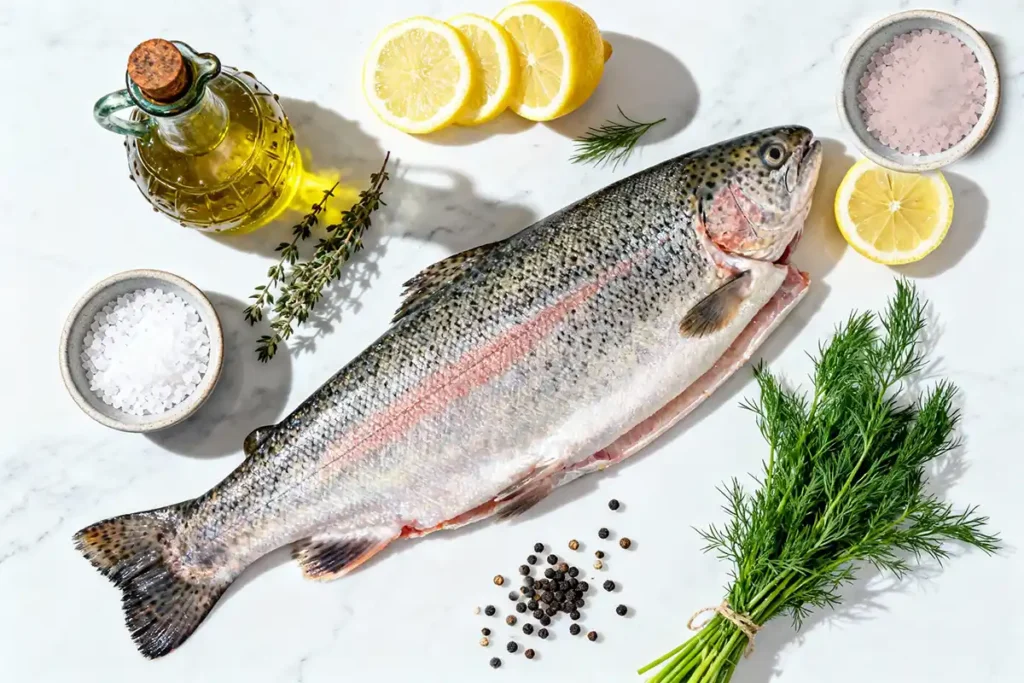
The best way to celebrate the delicate rainbow trout taste is with a recipe that does almost nothing to hide it. In culinary traditions from the Alps to the Andes, cooks have long used fresh herbs and citrus to enhance freshwater fish, not mask them. This lemon-herb trout preparation follows that same logic — simple, fast, and flavor-forward.
Ingredients Focus:
- Rainbow trout fillets (skin-on recommended)
- Lemon slices or zest
- Olive oil or unsalted butter
- Fresh herbs: dill, thyme, or parsley
- Sea salt and cracked pepper
Flavor Rationale:
Why does this work? Because rainbow trout taste is light, nutty, and slightly sweet. Lemon and herbs elevate the freshness without overwhelming it. Butter brings a hint of richness, while olive oil keeps it Mediterranean and clean. Whether pan-seared or oven-baked, this recipe lets the fish speak for itself.
Looking for another main dish with deep roots and bold flavors? Try our Birria Tacos Guide for a completely different but equally satisfying take on comfort food.
How to Cook Rainbow Trout for Perfect Flavor
From mountain stream campfires to modern home kitchens, trout has always been about simple technique. Whether you’re after crispy skin or a delicate, infused bake, here’s how to get the best from your fish.
Pan-Seared (The Quickest Method)
Best for: Fillets
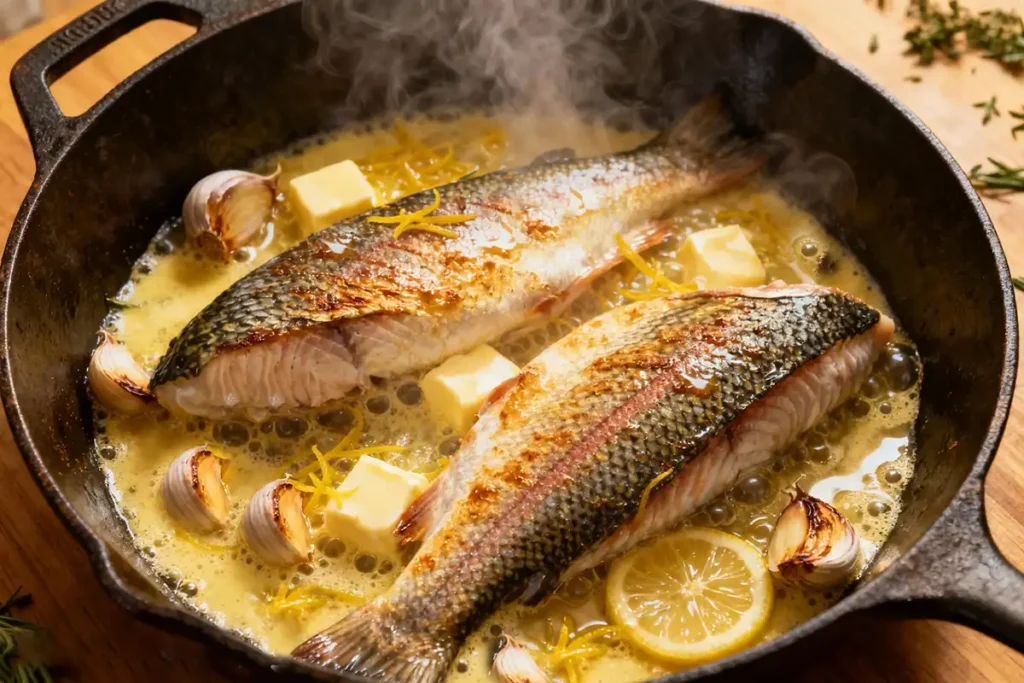
Time-honored method: Pan-searing rainbow trout has long been a favorite in European countryside kitchens. Heat a pan with oil or butter, skin side down, for 3–4 minutes per side. This gives you crispy skin and moist flesh, a beautiful contrast that makes the rainbow trout taste even more enjoyable.
Baking or Broiling (Hands-Off Cooking)
Best for: Whole trout or thicker fillets
Old technique, modern results: Baking has always been a trusted method for delicate fish. Stuff the cavity with lemon, garlic, and herbs, and bake at 375°F (190°C) for 12–15 minutes, or broil for 5–6 minutes. The fish steams gently inside, locking in moisture and flavor.
Grilling (For Smoky Flavor)
Best for: Outdoor cooking
Grilling gives trout a rustic, smoky dimension. To prevent sticking, use foil packets or a grill basket. Add aromatics inside the packet to infuse the fish with even more subtle flavor.
And if you’re passionate about mastering proteins beyond fish, explore our Ultimate Guide to Beef Steak Cuts to learn how texture and flavor vary across meat as much as they do in seafood.
Sourcing and Sustainability
Understanding where your fish comes from is just as important as how it tastes. When it comes to rainbow trout taste, the fish’s habitat plays a huge role in the final flavor and texture. Historically, rainbow trout were native only to the cold-water streams of the Pacific Northwest. However, in the 19th century, they were introduced around the world, and today, rainbow trout is one of the most widely farmed freshwater fish, often considered a model of sustainable aquaculture.
Farmed rainbow trout from responsible U.S. fisheries are generally raised in clean, regulated waters with minimal environmental impact. In fact, the Monterey Bay Aquarium’s Seafood Watch lists U.S.-farmed rainbow trout as a “Best Choice” for sustainability. These trout are fed high-quality diets that preserve their mild, clean flavor and ensure a delicate texture.
If you’re buying trout at a fish market or grocery store, freshness is key. Look for:
- Clear, glossy eyes (a classic freshness indicator)
- Bright, unbroken skin
- Firm, resilient flesh
- No strong fishy odor
Whether wild-caught or responsibly farmed, sourcing matters. Knowing where your trout came from will not only ensure better rainbow trout taste but also support sustainable seafood practices that protect freshwater ecosystems around the world.
FAQ: Cooking and Preparation Tips
Q: How long does it take to cook a trout fillet?
A standard rainbow trout fillet cooks in about 6 to 8 minutes total when pan-seared—roughly 3–4 minutes per side over medium-high heat. In the oven at 375°F (190°C), it takes about 12–15 minutes depending on thickness. Historically, trout were cooked quickly over open flames by riverside camps, a method still beloved by outdoor cooks today.
Q: Can I substitute another fish in this recipe?
Yes, you can swap rainbow trout with similarly mild, flaky fish such as Arctic char, brook trout, or flounder. However, you may lose some of the slightly nutty sweetness that makes rainbow trout taste unique.
Q: Does rainbow trout taste like salmon?
Not quite. While they share a similar pinkish hue and fatty acid content, rainbow trout taste is milder and less oily than salmon. Salmon has a richer, more assertive flavor, while rainbow trout offers a cleaner, more delicate bite; making it a favorite among those new to fish.
Q: Is rainbow trout a good fish to eat?
Absolutely. It’s not only delicious but also nutrient-rich and often sustainably farmed. Rainbow trout is high in protein, omega-3s, and essential vitamins like B12. Plus, its taste and ease of preparation make it an ideal choice for everyday meals.
Q: What is rainbow trout comparable to?
Think of it as a flavor bridge between tilapia and salmon. It’s milder than salmon but more flavorful than cod or tilapia, with a moist, tender texture. That balance explains why rainbow trout taste continues to appeal to both adventurous eaters and seafood newcomers alike.
Q: What is the best-tasting trout?
Many chefs consider rainbow trout the most versatile and well-balanced in flavor among trout species. While brown trout can have an earthier, gamier profile, and lake trout tends to be oilier, rainbow trout taste is widely praised for its clean, subtly sweet flavor and tender texture especially when sourced fresh.
Conclusion: A Weeknight Favorite with Gourmet Potential
When it comes to approachable yet refined seafood, the rainbow trout taste stands out for its subtle complexity. Mild, slightly sweet, and with a tender texture that welcomes both rustic and refined preparations, this fish offers a flavorful foundation that doesn’t demand complicated techniques. Whether you’re pan-searing fillets with lemon and herbs or baking a whole trout for guests, it’s a reliable, delicious choice for any home cook.
Its versatility also makes rainbow trout an ideal gateway for exploring other savory favorites. If you’re in the mood to continue your culinary exploration, don’t miss our hearty Quesadilla Rellena Recipes — a satisfying blend of crispy tortillas and gooey fillings. Or, for something a little more coastal and indulgent, try our crowd-pleasing Crab Cakes with Old Bay Donkey Sauce for your next seafood night.
With its sustainable sourcing, historical roots, and crowd-pleasing flavor, rainbow trout continues to prove that great taste doesn’t have to be complicated — just well-cooked and well-loved.
Beyond the Recipe: The Story of the Trout
You’ve mastered the technique for the perfect Rainbow Trout and know how delicious it is, but its journey to your plate is a story hundreds of millions of years in the making.
We went deep into the history, science, and even the cosmic origins of this amazing fish—exploring the stunning way its colors mirror the galaxy and how it went from wild Pacific streams to the sustainable staple it is today.
If you loved this recipe, you won’t want to miss the full story:
Read the exclusive article on Medium: “The Cosmic History of Rainbow Trout: A Fish More Amazing Than You Think”